
Chinook Salmon Catch on Gold Beach Fishing Charter
Chinook Salmon Fishing in Gold Beach - What to Expect
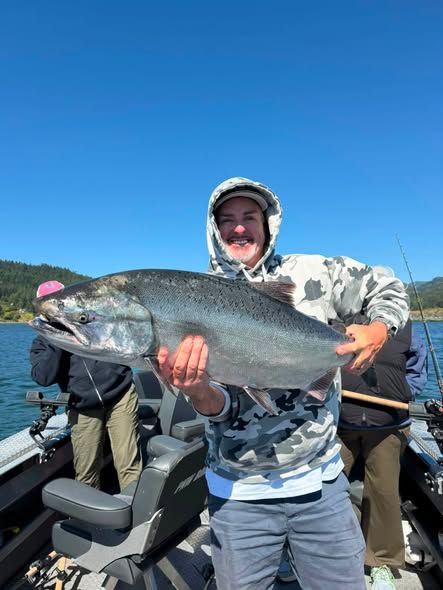
Fishing Charter by Captain Nick Young in October
- Salmon Fishing in Gold Beach Oregon Charters


Summary
Discover chinook salmon fishing in Gold Beach with Captain Nick Young Outdoors. This Thursday in October brings excellent opportunity to target Oregon's prized chinook on a dedicated fishing charter. Learn what makes these powerful salmon tick and why Gold Beach remains a premier destination.
Fishing Charter with Captain Nick Young - Rates & Booking
Captain Nick Young of Nick Young Outdoors operates fishing charters on Thursday, October 8th in Gold Beach, Oregon. As a local expert with deep knowledge of the coastal waters, Captain Nick specializes in targeting chinook salmon during peak season. The fishing charter combines practical technique instruction with real-world application on the water, giving anglers of all skill levels a genuine chance to connect with one of Oregon's most sought-after species.
For booking details, group size options, and specific package inclusions, contact Nick Young Outdoors directly. Captain Nick handles all aspects of the charter experience and can accommodate different experience levels and schedule preferences.
Highlights of Chinook Salmon Fishing
Gold Beach's coastal position makes it an ideal launching point for pursuing chinook salmon. These fish migrate through specific depth zones and current lines, and Captain Nick's knowledge of local underwater structure and seasonal patterns directly impacts your success. The visual confirmation of a freshly caught chinook on the boat demonstrates the caliber of fish swimming in these waters.
Chinook salmon can exceed 30 pounds in this region, requiring solid tackle, proper technique, and patience. The experience of fighting a large chinook in open water represents one of the Pacific Northwest's defining fishing moments. Whether you're interested in learning proper trolling methods, understanding salmon behavior, or simply testing your skills, the Gold Beach fishery delivers consistent opportunity.
Local Species Insights: Chinook Salmon
Chinook salmon are the largest Pacific salmon species and demonstrate complex behavior patterns shaped by their marine and river environments. These fish spend 2 to 7 years in the ocean before returning to natal rivers to spawn, accumulating impressive size and strength during their marine phase.
In the waters off Gold Beach, chinook respond to changing tidal cycles, water temperature, and baitfish availability. During their coastal migration period, they hold in specific zones where they intercept food sources and prepare for their upstream journey. Understanding these patterns helps explain why certain areas and times produce better than others.
Chinook possess keen eyesight and a strong sense of smell, making lure selection and presentation critical components of successful fishing. They typically respond to trolled offerings, jigged presentations, and strategically placed bait. Their powerful runs and head-shaking strikes create memorable battles that separate them from other salmon species.
The Pacific Northwest coast provides ideal conditions for chinook salmon growth and migration. The nutrient-rich waters support abundant forage fish, allowing chinook to develop their characteristic size and fighting ability. Gold Beach's location along this migration corridor means anglers have legitimate access to fish in prime condition during the season.
As an anadromous species returning from the ocean, chinook salmon retain their silver coloring and pristine condition during their coastal migration. This physical state correlates with their peak strength and aggression, making the pre-spawn period one of the most productive windows for charter fishing in the region.
Fishing in Gold Beach: Chinook Salmon

Chinook Salmon Overview
The Chinook Salmon (Oncorhynchus tshawytscha), commonly called King Salmon, is the largest and most prized member of the Salmonidae family within the order Salmoniformes. Known for their silver sides, vibrant blue-green backs, and distinctive black spots covering their heads, backs, tails, and fins—along with their characteristic black mouths and gums—these powerful fish are legendary among anglers and seafood enthusiasts alike. Found throughout the colder waters of the Pacific, from Alaska to Northern California and introduced populations in the Great Lakes, Chinook salmon represent one of the most exciting freshwater and saltwater angling experiences available. These fish are not just impressive fighters; they're also environmental indicators, leaving water bodies when habitat degradation occurs, making them invaluable to understanding ecosystem health in cities like Anchorage, Alaska.
Chinook Salmon Habitat and Distribution
Chinook salmon thrive in cold, clean waters and exhibit fascinating habitat preferences throughout their lifecycle. Young salmon spend their early years in freshwater streams and estuaries, often hiding among tree roots and other protective structures in cold, flowing water. As they mature, they migrate into the open ocean where nutrient-rich environments support their rapid growth and development. These fish are found naturally across the Pacific coast, ranging from Alaska and Western Canada south through Washington State, Oregon, Idaho, and Northern California. Beyond their native range, they've been successfully introduced to Japan, Russia, and the Great Lakes region of the United States. Key fishing destinations include Ship Creek in Anchorage, Alaska, and Lake Oahe in South Dakota, where populations support thriving recreational fisheries. Snow melt into lakes and streams creates ideal conditions for both young and spawning adults, making spring and early summer particularly productive seasons.
Chinook Salmon Size and Weight
Chinook salmon live up to their King Salmon nickname by growing to impressive sizes. Typically, these fish range from 30 to 59 inches in length and weigh between 10 to 50 pounds, with many specimens well into the trophy category. In their native habitats with abundant food sources and optimal conditions, individual fish can exceed 20 to 30 pounds routinely, with exceptional specimens pushing toward the upper weight ranges. The description notes that while typical fish measure 12 to 39 inches and weigh 7 to 15 pounds in many waters, the larger sizes documented here reflect the potential of well-fed populations in prime fishing grounds. This size variation depends heavily on habitat quality, food availability, and ocean conditions during their seawater phase, where they accumulate most of their bulk before returning to spawn.
Chinook Salmon Diet and Behavior
The dietary preferences of Chinook salmon change dramatically as they grow and migrate. Young salmon feed on plankton, aquatic insects, small fish, and invertebrates while inhabiting freshwater nurseries. Once they transition to ocean life, their diet expands significantly to include sand lance, pilchards, squid, herring, and various crustaceans—a nutritional abundance that drives their rapid growth and distinctive reddish-pink to orange meat coloration. Adult salmon demonstrate strong light sensitivity, typically remaining near the bottom of water columns during daylight hours and becoming more active during low-light periods. This behavior has significant implications for successful angling strategies. Males develop more intense coloring than females as they mature and prepare to spawn, and they also exhibit the distinctive hooked jaw and pronounced upper jaw that characterizes spawning males. Understanding these behavioral patterns is essential for timing your fishing efforts and selecting effective techniques.
Chinook Salmon Spawning or Seasonal Activity
Chinook salmon are anadromous fish, meaning they spend most of their adult lives in the ocean before returning to freshwater to reproduce. They reach sexual maturity between 2 to 7 years of age, at which point the spawning drive compels them to undertake remarkable migrations back to their natal streams. Females construct redds—gravelly nests built on the stream bottom—where they deposit their eggs. Depending on water temperature and spawning timing, incubation periods vary, with hatching typically occurring in early spring or late winter. Tragically, these fish die soon after spawning, completing their lifecycle in a single dramatic reproductive event. This semelparous (single-breeding) life history strategy means that successful populations depend entirely on maintaining healthy spawning habitat and ensuring that adequate numbers of fish survive their ocean phase to return and reproduce.
Chinook Salmon Techniques for Observation or Capture
Fly Fishing: Fly fishing for Chinook salmon is an exhilarating pursuit that requires understanding how light conditions influence fly selection and presentation. When targeting these fish, exact fly pattern matters less than you might think, but color can make a dramatic difference. On bright, sunny days, use vibrant color combinations like chartreuse and blue or pink and orange. During cloudy or dark conditions, shift toward blue and black or purple and black combinations. Effective fly choices include rhea tube intruders, bunny leeches, marabou tubes, shanked intruders, and minnow patterns. The critical technique is maintaining proper swing—avoid swinging too far and keep your fly swimming actively through the water column. Around Anchorage, Alaska, Ship Creek offers excellent fly-fishing opportunities where you can practice these techniques on eager fish in urban-accessible habitat.
Lake and Offshore Trolling: When pursuing Chinook salmon in lakes or offshore waters, down-rigging and trolling prove highly effective. This method allows you to cover water systematically and adjust depth based on where fish are holding. Use plugs, spoons, trolling flies, or live and dead bait depending on local regulations and fish preferences. The advantage of trolling is that it lets you search large areas and explore different depth zones, increasing your chances of locating actively feeding fish.
Still Fishing with Herring: For a more stationary approach, particularly in deep water, still fishing with herring is exceptionally productive. Position yourself in known deep-water holding areas and allow natural herring presentations to attract feeding fish. This patient technique works well when combined with weighted baits, as Chinook salmon's light sensitivity keeps them near the bottom during daylight hours. The best times for any technique are early morning and evening when light levels are low and fish are most active in shallower, more accessible waters.
Chinook Salmon Culinary or Utilization Notes
Chinook salmon stands among the finest culinary fish available, boasting reddish-pink to orange meat with excellent flavor and texture. The rich, fatty flesh makes it ideal for grilling, smoking, baking, and sautéing—preparation methods that highlight its natural oils and distinctive taste. Beyond the excellent eating experience, salmon provides outstanding nutritional benefits, including high-quality protein, omega-3 fatty acids, and various vitamins and minerals essential for human health. Wild-caught Chinook salmon represents a sustainable protein choice when sourced from well-managed fisheries, though you should always check local regulations and sustainability guidelines before harvest. The combination of hard-fighting sport qualities and exceptional table fare makes successfully landing and preparing Chinook salmon one of the most rewarding outdoor experiences available to anglers and food enthusiasts alike.
Chinook Salmon Frequently Asked Questions
Q: What is the best bait and lure for Chinook salmon?
A: Success depends on your fishing method and conditions. For fly fishing, bright colors like chartreuse and blue work well on sunny days, while blue and black combinations excel in low-light conditions. Effective flies include tube intruders, bunny leeches, and minnow patterns. For other methods, use plugs, spoons, live or dead herring, sand shrimp, and trolling flies. Weighted baits are essential because these light-sensitive fish spend most of their time near the bottom.
Q: Where can I find Chinook salmon near major fishing destinations?
A: Ship Creek in Anchorage, Alaska, is one of the top destinations for accessible Chinook salmon fishing, offering excellent opportunities right in an urban setting. Lake Oahe in South Dakota provides another world-class option. Throughout their native range—Alaska, Western Canada, Washington State, Oregon, Idaho, and Northern California—numerous rivers and coastal areas support healthy populations. The Pacific coast generally offers the most reliable fishing for this species.
Q: When is the best time to catch Chinook salmon?
A: Early morning and evening fishing produces the best results, as these light-sensitive fish are most active during low-light periods. Spring and summer, when snow melt increases water flow and creates ideal spawning conditions, bring fish into rivers and streams. Seasonal timing varies by location, so checking local fishing reports for your specific destination ensures you arrive during peak activity periods.
Q: Is Chinook salmon good to eat?
A: Absolutely. Chinook salmon is considered excellent eating, featuring reddish-pink to orange meat with rich flavor and fatty texture that makes it ideal for virtually any cooking method. The nutritional profile is outstanding, with high-quality protein and abundant omega-3 fatty acids. Wild-caught fish from well-managed fisheries represent a sustainable, delicious protein source.
Q: How large do Chinook salmon typically grow?
A: Chinook salmon earn their King Salmon nickname by growing to impressive sizes—typically ranging from 30 to 59 inches and weighing 10 to 50 pounds. Many specimens routinely exceed 20 to 30 pounds in productive waters. Size depends heavily on habitat quality and food availability, with ocean-phase fish accumulating most of their bulk before returning to spawn.
Q: What do Chinook salmon eat, and how does this affect fishing strategy?
A: Young salmon feed on plankton, insects, and small invertebrates in freshwater. Adult ocean-dwelling fish consume sand lance, herring, pilchards, squid, and crustaceans—a diet that produces their distinctive orange-pink meat. Understanding these preferences helps inform bait and lure selection. Their light sensitivity means they feed actively during early morning and evening when light levels are low, concentrating near the bottom during bright daylight hours.
