%2Ffit-in%2F250x250%2Fusers%2F3e051fc8-e7d0-4fcc-a13c-b08853721332%2Fimages%2Ffef15ba8-60f0-4f6d-b14c-e73328683387.jpg&w=1920&q=100)
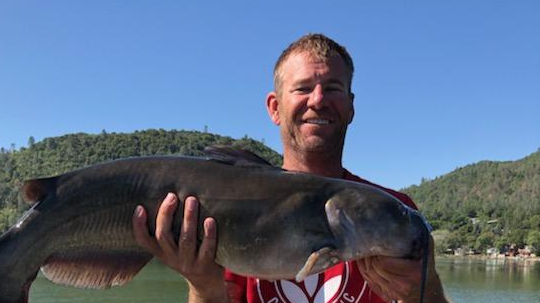
Trophy Flathead Catfish Gold Beach Oregon Sunset
Flathead Catfish Fishing in Gold Beach - What to Expect
%2F%2Fusers%2F3e051fc8-e7d0-4fcc-a13c-b08853721332%2Fimages%2Fgold-beach-flathead-catfish-catch-2692.jpg&w=1920&q=75)
Fishing Charter by Captain Nick Young in June
- Salmon Fishing in Gold Beach Oregon Charters


Summary
Explore exceptional flathead catfish fishing on a guided fishing charter in Gold Beach during Friday, June. Captain Nick Young brings decades of local expertise to help you land trophy-sized catfish while experiencing the Oregon coast at its finest.
Fishing Charter with Captain Nick Young - Rates & Booking
Captain Nick Young of Nick Young Outdoors operates flathead catfish fishing charters on Friday, June in Gold Beach, Oregon. With extensive local knowledge and proven techniques, Captain Young specializes in targeting these powerful bottom feeders in prime coastal waters. His fishing charter includes expert guidance, access to productive fishing grounds, and instruction tailored to your skill level. Whether you're pursuing your first catfish or seeking trophy-sized specimens, this charter delivers authentic Pacific Northwest fishing experience.
To reserve your flathead catfish fishing adventure, contact Nick Young Outdoors directly. Charter availability is limited during peak season, so booking early ensures your preferred date. Ask about current rates, group options, and what gear is provided for your trip.
Highlights of Your Flathead Catfish Charter
Gold Beach presents ideal conditions for flathead catfish hunting. The combination of river systems, coastal structure, and seasonal migrations creates excellent opportunities for consistent action. Captain Young positions you in proven hotspots where flatheads actively feed, particularly during sunset hours when these nocturnal predators become most active. You'll experience authentic catfishing methodology alongside the scenic beauty of the Oregon coast.
The fishing involves bottom fishing techniques in strategic locations where flatheads congregate. Sunset expeditions offer visual rewards beyond the catch - dramatic coastal lighting, wildlife activity, and the peaceful transition from day to night on the water. This experience combines technical fishing skill with the natural ambiance that makes Gold Beach special.
Local Species Insights: Flathead Catfish
Flathead catfish have established robust populations in Oregon's coastal rivers and systems, making Gold Beach an increasingly productive destination for targeting this species. These aggressive bottom feeders are substantially larger than channel catfish, with mature specimens commonly exceeding 40 pounds in local waters. Flatheads are primarily nocturnal hunters, which explains why sunset and evening charters prove most effective.
What distinguishes flathead catfish fishing is the intensity of their strikes and powerful runs. Unlike passive bottom feeders, flatheads actively hunt live prey, making them responsive to deliberate presentations. They inhabit deeper channels, holes, and areas with substantial cover where they ambush passing food sources. The species requires patient observation and strategic positioning - skills Captain Young has refined through years of local experience.
Flathead behavior shifts with seasons and water conditions. In summer months like June, these fish move into comfortable zones with adequate oxygen and food availability. They're tactile feeders, locating prey primarily through lateral line sensing rather than sight, which means success depends on proper bait presentation and location selection. Understanding these behavioral patterns separates occasional catches from consistent success on flathead charters.
The Oregon coast supports healthy flathead populations due to suitable habitat and forage availability. Coastal rivers provide ideal territory - deep structure, current breaks, and abundant baitfish create optimal conditions for trophy-sized specimens. Captain Young's intimate knowledge of these waters translates directly into higher catch rates and more engaged fishing action throughout your charter.
Fishing in Gold Beach: Flathead Catfish
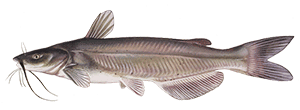
The Flathead Catfish (Pylodictis olivaris) is a formidable freshwater predator belonging to the family Ictaluridae within the order Siluriformes. Known colloquially as the Yellow Cat, Mud Cat, Johnnie Cat, Pied Cat, or Mississippi Cat, this species commands respect among anglers and outdoor enthusiasts across North America. What sets the Flathead Catfish apart from its cousins is its distinctively flat head—hence the name—combined with an olive-colored body that typically ranges from pale yellow to light brown, often adorned with black spots. Unlike the deeply forked tails of Blue or Channel Catfish, the Flathead sports only a slight indentation, making it instantly recognizable to seasoned fishermen. These impressive fish are not just visually distinctive; they're also known for their aggressive predatory behavior and superior meat quality, making them the second-largest North American freshwater catfish and one of the most sought-after gamefish in rivers and reservoirs from coast to coast.
Flathead Catfish Overview
The Flathead Catfish stands as one of North America's most impressive freshwater predators, earning a reputation that extends far beyond its rather unconventional appearance. While many anglers find catfish faces intimidating—whiskers, that slimy coating, and an overall alien-like visage—the Flathead Catfish offers something different: it's a trophy fish with meat that serious fishermen regard as superior to other catfish species. These fish are native to freshwater systems and have adapted exceptionally well to rivers, lakes, and reservoirs throughout the continent. For visitors to fishing hotspots or outdoor enthusiasts exploring backcountry waterways, encountering a Flathead Catfish represents both a thrilling challenge and a connection to one of nature's most efficient hunters. The species thrives in deep pools and slow-moving waters where it can ambush unsuspecting prey, making it a subject of fascination for both recreational and commercial fishers alike.
Flathead Catfish Habitat and Distribution
Flathead Catfish prefer deep pools, slow-moving streams, and river systems where they can establish themselves as apex predators in their aquatic domain. These creatures are commonly found in deep reservoirs, lake basins, canals, and areas around dams where water depth and current patterns create ideal hunting grounds. The species thrives particularly well in the Great Lakes region, though they're more commonly encountered in the lower portions where deeper basins exist. They show a strong preference for waterways deep enough to accommodate larger vessels and navigation—anywhere with murky, slightly muddy water and significant depth. From the Mississippi River drainage systems to reservoirs across the central and southern United States, Flathead Catfish have established robust populations. Their distribution continues to expand as they adapt to new waters, making them a notable presence in backcountry rivers and remote lake systems where anglers seeking adventure are likely to encounter them. The species particularly flourishes in warm-water environments with plenty of cover and available prey.
Flathead Catfish Size and Weight
Flathead Catfish are genuinely enormous creatures, even among the already impressive North American catfish family. Typical specimens range from 12 inches at the smaller end to impressive sizes that regularly exceed 3 to 4 feet in length, with documented catches reaching up to 61 inches—over 5 feet long! The weight follows proportionally, with average catches ranging from around 4 pounds for younger specimens to as much as 60 pounds for substantial individuals, though record-breaking fish can exceed 100 pounds with ease. Interestingly, there's a notable sexual dimorphism in this species: male Flathead Catfish typically mature at around 6 feet in length, while females don't reach maturity until approximately 7 feet. This size difference reflects the demanding reproductive roles each gender plays. For anglers, this means that any Flathead Catfish you're likely to encounter represents a significant challenge—these aren't small fish. Their bulk, strength, and determination make them one of the most physically demanding freshwater gamefish available, requiring proper equipment and technique to successfully land them.
Flathead Catfish Diet and Behavior
Unlike many catfish species that are somewhat opportunistic bottom feeders willing to consume nearly anything edible, the Flathead Catfish is remarkably discriminating—and surprisingly bloodthirsty. This species has a specific preference: prey must be alive. The Flathead Catfish actively hunts live young fish, actively targeting anything that moves and squirms. They'll feast on shiners, perch, bluegill, crayfish, and even smaller catfish species, including their own Channel Catfish cousins. There's something almost theatrical about their hunting style—they require the visual and tactile stimulation of active prey, seeming to enjoy the struggle. Some anglers have reported success using Common Carp and Green Sunfish as bait, while more adventurous fishers have documented Flathead Catfish eating other fish species whole. This predatory behavior makes them fascinating creatures to study and challenging to catch, as they're far from passive feeders simply waiting for a meal to drift by. Their aggression and selectivity distinguish them from the typical catfish stereotype, positioning them as active apex predators rather than scavenging bottom-dwellers.
Flathead Catfish Spawning and Seasonal Activity
The reproductive cycle of Flathead Catfish reveals fascinating behavioral patterns, particularly in males, which display strong territorial tendencies. During spawning season, male Flathead Catfish take an active role in reproduction—they fan and clean the female's eggs with their fins, providing both mechanical cleaning and aeration to ensure proper development. This paternal behavior is remarkable among fish species and demonstrates a level of investment in offspring survival. However, reproductive success isn't guaranteed: a female Flathead Catfish in poor health may not lay eggs during an entire breeding season. When spawning does occur, females can produce thousands of eggs, yet only a small percentage ultimately survive to adulthood—a typical pattern in fish reproduction that speaks to the harsh realities of freshwater ecosystems. The Flathead Catfish lifespan extends up to 24 years, providing ample opportunity for successful reproduction across multiple seasons. Understanding these seasonal patterns helps anglers and wildlife observers anticipate when and where they're likely to encounter breeding behavior or when fish might be more actively feeding to fuel reproductive demands.
Flathead Catfish Techniques for Observation and Capture
Live Bait Rod and Reel Method: The most popular approach among serious anglers involves using a sturdy rod and reel setup capable of handling at least 50 pounds of line tension—though experienced fishers targeting trophy specimens often use equipment rated for 80-100+ pounds to account for their incredible strength and fighting ability. Live bait is absolutely essential: shiners, bluegill, perch, bullhead catfish, or even goldfish work exceptionally well. Cast or position your bait in deep pools and slow-moving sections of rivers and lakes, then maintain tension on the line while your bait works in the water. This method demands patience, attention, and significant physical capability when a large Flathead Catfish takes the hook.
Trotline and Drop-Line Techniques: For anglers seeking to expand their chances or target multiple locations simultaneously, trotlining offers an effective alternative. Traditional trotlines involve securing a main line between two fixed points (typically stumps or anchor points) with multiple hook lines suspended at intervals, each baited with live fish. Alternatively, drop-line fishing uses a stump or structure as an anchor point while allowing the baited line to hang freely in the water column. These methods are particularly effective in areas with multiple deep pools and can yield impressive results when multiple hooks are properly positioned in prime Flathead Catfish habitat.
Net Capture in Hotspots: In certain situations, particularly when Flathead Catfish congregate around baitfish schools or specific structures, experienced anglers use large nets to capture them. This method requires knowledge of local waters and the ability to identify where concentrations of these fish are likely to gather. Around major river systems and reservoirs across the central United States, local guides can often point anglers toward productive net-fishing locations, especially during periods of high baitfish activity.
Flathead Catfish Culinary and Utilization Notes
The Flathead Catfish has earned a reputation among serious seafood enthusiasts for possessing superior meat quality compared to other North American catfish species. The flesh is distinctive in both flavor and texture, offering a cleaner taste than Channel or Blue Catfish—something that's immediately apparent to anyone who has sampled multiple catfish varieties. This culinary distinction is precisely why Flathead Catfish command higher prices at market and greater respect among fishing communities. Traditionally prepared through frying, grilling, or steaming, their meat adapts well to numerous cooking methods. More adventurous preparation styles include serving Flathead Catfish as sushi or carpaccio, a practice that typically involves bleeding the fish immediately after capture and using absolutely fresh, pristine meat. The species is not poisonous or toxic in any way, making it safe for consumption when properly handled and prepared. From a nutritional perspective, catfish offers valuable protein and omega-3 fatty acids, making it both a delicious and health-conscious choice for diners. The growing popularity of Flathead Catfish among culinary-focused anglers speaks to both its eating quality and the satisfaction of having successfully landed such a formidable opponent.
Flathead Catfish Frequently Asked Questions
Q: What is the best bait for catching Flathead Catfish?
A: Live bait is absolutely essential—dead bait rarely attracts this species effectively. The best options include live shiners, bluegill, perch, goldfish, or even smaller catfish species like bullheads. The key is ensuring your bait is actively swimming and struggling, as Flathead Catfish are attracted to movement and the visual stimulus of living prey. Larger baits—typically 6-12 inches—tend to attract bigger fish while discouraging smaller species.
Q: What size rod and line should I use for Flathead Catfish?
A: You'll want a sturdy setup capable of handling at least 50-60 pounds of test line as a minimum, though many experienced anglers prefer 80-100 pound test when targeting trophy specimens. The rod should be medium-heavy to heavy action, providing enough backbone to set the hook firmly and maintain control during the fight. These fish are phenomenally strong and will test both your equipment and your physical endurance.
Q: Where can I find Flathead Catfish near major river systems?
A: Focus on deep pools, slow-moving sections of rivers, areas near dams, and deep lake reservoirs. Look for structure like submerged logs, deep channels, and areas where water slows after faster current sections. In backcountry settings, deep bends in rivers and areas with significant depth and slight muddiness create ideal Flathead Catfish habitat. Local fishing guides can often direct you to current hotspots in your region.
Q: Is Flathead Catfish good to eat?
A: Absolutely—Flathead Catfish is widely considered superior to other North American catfish species. The meat is distinctive in both flavor and texture, offering a cleaner taste than Channel or Blue Catfish. It can be prepared through traditional frying or grilling, and more adventurous cooks even serve it as sushi or carpaccio. The flesh is tender, flavorful, and nutritious, making it an excellent culinary choice that justifies the effort required to land these impressive fish.
Q: When is the best time to catch Flathead Catfish?
A: Flathead Catfish are active feeders year-round, though they're particularly aggressive during warmer months. They're primarily nocturnal hunters, so fishing during evening hours, night, and early morning typically yields better results than midday efforts. During spawning season, males are territorial and more likely to strike aggressively at perceived threats, making this an excellent time for trophy hunting.
Q: How long do Flathead Catfish live?
A: These fish can live up to 24 years in the wild, making them long-lived predators that continue growing throughout their lives. This extended lifespan means that trophy-sized Flathead Catfish represent fish that have survived years of fishing pressure and natural challenges—adding to their status as respected gamefish.