%2Ffit-in%2F250x250%2Fusers%2F3e051fc8-e7d0-4fcc-a13c-b08853721332%2Fimages%2Ffef15ba8-60f0-4f6d-b14c-e73328683387.jpg&w=1920&q=100)
Redear Sunfish Guide Gold Beach Oregon
Redear Sunfish Fishing in Gold Beach - What to Expect
%2F%2Fusers%2F3e051fc8-e7d0-4fcc-a13c-b08853721332%2Fimages%2Fgold-beach-redear-sunfish-catch-2701.jpg&w=1920&q=75)
Fishing Charter by Captain Nick Young in June
- Salmon Fishing in Gold Beach Oregon Charters


Summary
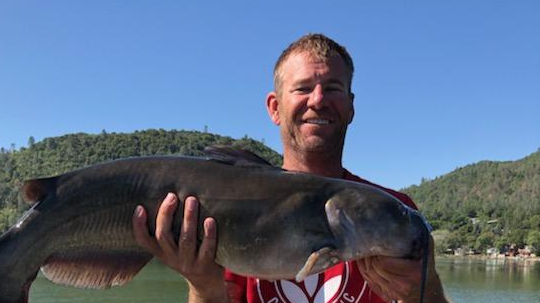
This fishing charter in Gold Beach captured a beautiful redear sunfish on Friday, June 26th. Captain Nick Young of Nick Young Outdoors specializes in freshwater fishing experiences where anglers connect with these colorful panfish species in Oregon's productive waters.
Fishing Charter with Captain Nick Young - Rates & Booking
Captain Nick Young of Nick Young Outdoors operates fishing charters in Gold Beach on Friday, June 26th. For specific trip duration, group sizes, and what's included in your charter experience, contact Nick Young Outdoors directly to customize your fishing adventure. Whether you're targeting panfish or exploring what Gold Beach waters have to offer, this local guide brings expertise to every outing. Book your fishing charter today to secure your spot.
Highlights of Your Fishing Experience
Gold Beach offers excellent freshwater fishing opportunities where anglers regularly encounter redear sunfish and other panfish species. The redear sunfish, also called shellcracker or pumpkinseed in some regions, represents one of Oregon's most rewarding catch-and-release opportunities. These fish are known for their striking coloration and spirited fights, making them ideal for both seasoned anglers and those new to panfishing.
Captain Nick Young's local knowledge of Gold Beach waters means you'll fish productive areas where redear sunfish congregate. The combination of Oregon's temperate climate and well-managed freshwater systems creates ideal conditions for consistent fishing throughout the season.
Local Species Insights: Redear Sunfish
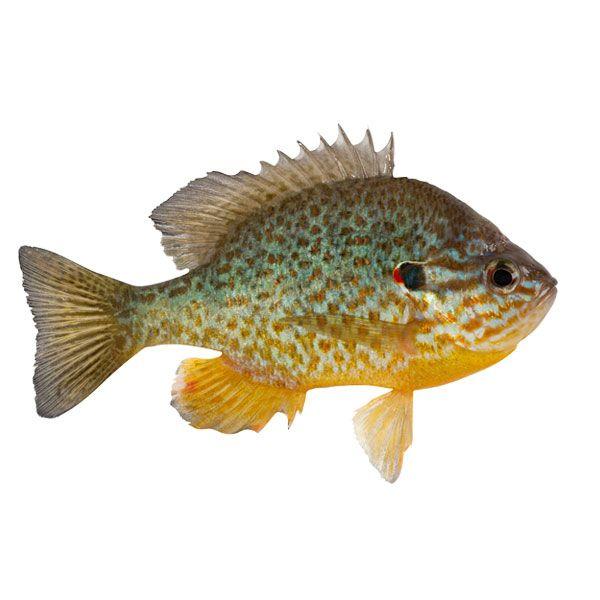
Redear sunfish are members of the sunfish family and display distinctive characteristics that make them prized catches. These fish typically feature bright red or orange coloring around their ears (the gill flaps), which gives them their common name. Males develop more vibrant coloration than females, especially during spawning season when breeding instincts intensify their colors and behavior.
In Gold Beach's freshwater environments, redear sunfish thrive in areas with adequate cover, vegetation, and suitable depths. They are bottom feeders that hunt for mollusks and small crustaceans, using their powerful pharyngeal teeth to crush shells - hence the regional nickname 'shellcracker.' Understanding this feeding behavior helps anglers select appropriate baits and lures. Live minnows, crickets, and small jigs work effectively, as do natural bottom presentations near structure.
Redear sunfish are social fish that often school together, particularly in deeper water during hot months. They spawn in shallow, protected areas during late spring and early summer, when water temperatures reach 70-75 degrees Fahrenheit. This is prime fishing season in Oregon, as spawning fish are aggressive feeders and willing biters. Fishing near shoreline vegetation, fallen logs, or shallow shelves during these periods yields excellent results.
These panfish fight enthusiastically for their size, providing entertaining action and memorable moments. Their relatively small size - typically 6 to 10 inches - makes them ideal for catch-and-release practices that support healthy populations. The experience of landing multiple redear sunfish creates perfect conditions for learning proper technique, testing new equipment, and simply enjoying quality time on the water.
Plan Your Fishing Day
A fishing charter with Captain Nick Young typically provides access to proven fishing locations where redear sunfish are regularly caught. Bring appropriate clothing for Oregon's weather, sunscreen for extended water exposure, and a camera to document your catches. Most fishing charters include instruction for all experience levels, ensuring newcomers feel comfortable while experienced anglers refine their technique. Check with Nick Young Outdoors about what gear is provided and whether you can bring personal equipment.
Fishing in Gold Beach: Redear Sunfish
Redear Sunfish Overview
The Redear Sunfish (Lepomis microlophus), belonging to the order Perciformes and family Centrarchidae, is a beloved small freshwater game fish that has earned a special place in the hearts of anglers across North America. This vibrant species is instantly recognizable by its distinctive dark-olive back that transitions to a yellow-green middle and creamy white belly, but the true giveaway is the striking orange-to-red spot positioned near its gills—hence the name "redear." What makes this fish particularly fascinating is its nickname, "shellcracker," which refers to its remarkable ability to crush and consume hard-shelled prey such as snails and mussels. Whether you're a seasoned angler or someone exploring freshwater fishing for the first time, the Redear Sunfish offers an engaging and rewarding experience in lakes and ponds from Florida to Michigan.
Redear Sunfish Habitat and Distribution
Originally native to the warm waters of Florida and North Carolina, the Redear Sunfish has been successfully introduced to numerous states including Illinois, Louisiana, Missouri, Michigan, and Texas. These adaptable fish thrive in still or slow-moving freshwater environments—lakes, ponds, streams, and reservoirs are all ideal homes for this species. If you're planning a fishing trip, popular hotspots include Wamplers Lake in Michigan and False River in Louisiana, both renowned for their healthy shellcracker populations. The fish show a strong preference for areas with plenty of cover, including dense aquatic vegetation, submerged logs, and fallen branches where they can hide and hunt. This preference for structure makes understanding your fishing location absolutely critical to success.
Redear Sunfish Size and Weight
The typical Redear Sunfish measures between 6 to 10 inches in length and weighs less than a pound, averaging around 0.2 pounds. However, these fish can grow considerably larger under ideal conditions. The all-time record for this species is a monster measuring 17 inches long with an impressive girth of 19.5 inches and a weight of 5.80 pounds—a testament to what patient anglers might encounter in well-managed fisheries. Most casual anglers should expect to land fish in the 6 to 8-inch range, which still provide an excellent fight and make for a satisfying catch.
Redear Sunfish Diet and Behavior
What truly sets the Redear Sunfish apart from its cousins is its specialized diet and the anatomical adaptations that support it. These fish possess unique pharyngeal teeth—specialized crushing teeth located in the throat—that allow them to crack open snail shells, mussel shells, and other hard-bodied prey with ease. Beyond their famous shellfish diet, they're opportunistic foragers that consume algae, aquatic worms, small fish, and fish eggs. The species is primarily a bottom-feeding animal, meaning they spend most of their time near the lake or pond floor searching for food. This bottom-dwelling behavior is crucial information for anglers to know, as it influences both tackle selection and presentation techniques. Redears are not particularly bait-shy, making them forgiving practice fish for those honing their technique, though locating them is often the more challenging aspect of the pursuit.
Redear Sunfish Spawning and Seasonal Activity
Understanding the breeding cycle of the Redear Sunfish is essential for successful angling. These fish breed and spawn when water temperatures reach 66-70°F, which typically occurs during late spring to early summer. During this period, male shellcrackers construct small basin-shaped nests called "redds" on the lake or pond bottom, often in areas with light vegetation or sandy substrate. The males create these structures to attract females, who deposit their eggs into them before the males fertilize them. This spawning season represents the absolute best time to catch redears, as they become more active and aggressive in defense of their nesting territories. Many experienced anglers specifically target this window to maximize their chances of connecting with multiple fish.
Redear Sunfish Techniques for Observation and Capture
Method 1: Traditional Spinning Tackle with Live Bait
The most straightforward approach to catching Redear Sunfish involves light spinning or ultralight baitcasting equipment paired with bottom-fishing techniques. Use live nightcrawler worms, corn kernels, or small leeches as your primary baits—all have proven track records with shellcrackers. Add a split shot or small sinker 18-24 inches above your hook to keep your bait on or near the bottom where the fish feed. Cast near vegetation, submerged logs, or visible redds, and let your presentation sit with minimal movement. Check your bait every 10-15 minutes and recast if necessary. The key is patience; these fish often take bait deliberately and you need to feel for the subtle bite.
Method 2: Fly Fishing with Weighted Patterns
For anglers preferring fly fishing, targeting Redear Sunfish requires specific gear modifications. Use a 7-9 foot 5-weight rod with an 8-foot leader tapered to 4 feet of 12-pound monofilament. Employ heavy-weighted flies or sinking fly lines to reach the bottom where these fish are located. Wrap 20-gauge lead wire around your hooks to achieve proper sink rates, and pair this with a 1/8 to 1/4-ounce drop-shot light sinker. Recommended fly patterns include triangle bugs, wet flies, poppers, and bucktails in sizes #6 to #8. The technique involves casting your fly, allowing it to sink for 5-10 seconds, then executing a slow inch-long strip followed by a brief pause. Repeat this pattern as the fly works upward; shellcrackers often strike during the pause.
Method 3: Location-Specific Prospecting
In locations like False River in Louisiana, focus on areas with shell beds and hard substrate where your target fish are most likely to be found. Look for shallow flats adjacent to deeper channels during early morning hours. Use a depth finder if available to identify bottom composition and structure. Cast around cypress trees and other natural cover, and don't hesitate to move frequently—finding fish is genuinely harder than catching them once located.
Redear Sunfish Culinary and Utilization Notes
Redear Sunfish possess good odds as a food fish, with mild, slightly sweet white meat that many anglers find palatable. The flesh is delicate and takes well to various cooking methods including pan-frying, baking, or even whole-fish grilling. The main drawback is yield—the small average size means you'll need several fish to make a substantial meal. Many anglers practice catch-and-release with these fish, appreciating them primarily as a sporting quarry. Those interested in keeping them should check local regulations, as some areas have specific slot limits or seasonal restrictions designed to maintain healthy populations. From a sustainability perspective, recreational catch-and-release fishing for Redear Sunfish has minimal ecological impact and actually helps manage overpopulated shellfishes in some water bodies.
Redear Sunfish Frequently Asked Questions
Q: What is the best bait for catching Redear Sunfish?
A: Nightcrawler worms, corn kernels, and small leeches are the proven winners. Nightcrawlers are particularly effective because their movement and natural scent attract shellcrackers from a distance. Corn works especially well during spawn season when fish are more aggressive.
Q: Where can I find Redear Sunfish near popular fishing destinations?
A: Wamplers Lake in Michigan and False River in Louisiana are two of the most reliable locations for consistently catching quality redears. Look for areas with visible structure, vegetation, and shallow flats where spawning might occur.
Q: Is Redear Sunfish good to eat?
A: Yes, Redear Sunfish offer good odds as table fare with mild, white meat that many find quite tasty. Pan-frying is a popular preparation method. However, their small average size (6-10 inches) means you'll typically need several fish for a full meal.
Q: When is the best time to catch Redear Sunfish?
A: Late spring to early summer (typically May through July) is prime time when water temperatures reach 66-70°F and fish are actively spawning. Early morning hours during this period offer the best action, though they can be caught year-round in most regions.
Q: Why are they called "shellcrackers"?
A: Redear Sunfish have specialized pharyngeal teeth in their throat that allow them to crush hard snail and mussel shells. This unique adaptation makes them highly efficient predators of hard-bodied invertebrates, earning them this distinctive nickname among anglers.
Q: Is fly fishing for Redear Sunfish practical?
A: While many anglers use traditional spinning tackle, fly fishing is absolutely doable. The key is using weighted flies, sinking lines, and proper bottom-contact techniques. It's more technical than conventional methods but offers a rewarding alternative for experienced fly anglers.