Gold Beach OR Redear Sunfish Fishing Guide
Redear Sunfish Fishing in Gold Beach - What to Expect
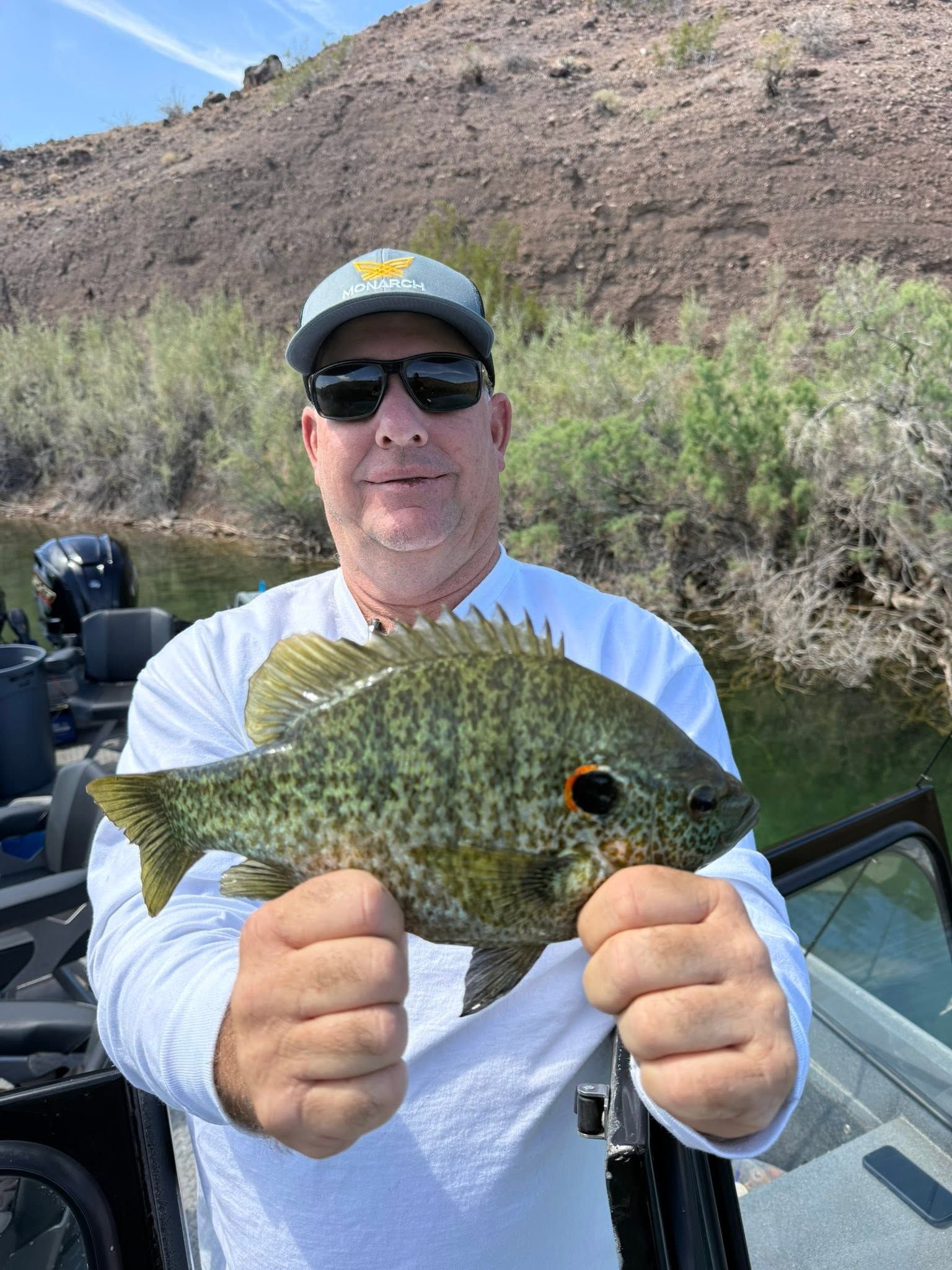
Fishing Charter by Captain Nick Young in June
- Salmon Fishing in Gold Beach Oregon Charters


Summary
Join a fishing charter in Gold Beach, OR on Friday, June 26 to target redear sunfish with Captain Nick Young of Nick Young Outdoors. This freshwater fishing experience combines local expertise with proven techniques for catching these popular panfish in productive waters.
Fishing Charter with Captain Nick Young - Rates & Booking
Captain Nick Young of Nick Young Outdoors offers fishing charters in Gold Beach, OR on Friday, June 26. This fishing charter experience targets redear sunfish in local waters known for excellent panfish populations. To book your charter and learn about current rates and availability, contact Nick Young Outdoors directly for personalized trip details and scheduling information.
Highlights of Your Gold Beach Fishing Experience
Redear sunfish fishing in Gold Beach offers anglers the chance to pursue one of the region's most rewarding panfish species. These colorful sunfish are known for their aggressive strikes and spirited fight on light tackle, making them excellent targets for both experienced and novice anglers. The clear waters around Gold Beach provide ideal conditions for sight-fishing and observing these fish in their natural habitat.
Captain Nick Young brings local knowledge of the best redear sunfish locations, seasonal patterns, and proven techniques to maximize your success on the water. Whether you're looking to expand your fishing skills or enjoy a productive day pursuing panfish, this charter delivers hands-on fishing experience in productive Oregon waters.
Local Species Insights: Redear Sunfish
Redear sunfish, also called shellcrackers, are native freshwater panfish found throughout Oregon's lakes and slow-moving rivers. These sunfish are distinguished by their reddish ear flaps and crimson coloring on their gill covers, which become more vibrant during spawning season. Understanding their behavior and habitat preferences is key to consistent success.
Redear sunfish thrive in clear to moderately clear water with adequate aquatic vegetation, rocky structures, and deeper holes that provide shelter and feeding grounds. They feed primarily on small crustaceans, mollusks, and insects, which explains their habit of crushing shells and hard-bodied prey items. This diet makes them responsive to various bait presentations and small lures that mimic natural food sources.
These sunfish exhibit distinct seasonal behavior patterns. During spring spawning season, they move into shallow bays and protected areas to construct spawning beds, often gathering in large groups that create excellent fishing opportunities. In summer, they distribute across deeper areas and ledges where water temperatures remain cooler and more comfortable. Fall and early winter find them schooling in deeper zones before entering a more lethargic winter state.
Gold Beach's freshwater systems provide ideal redear sunfish habitat with their blend of clear water, natural structures, and abundant food sources. The presence of healthy vegetation and rocky formations creates the kind of diverse bottom structure that attracts and holds redear sunfish throughout the year. Captain Nick Young's knowledge of where these fish congregate at different times of year significantly improves your chances of connecting with quality catches.
Successful redear sunfish fishing relies on accurate casting to structure, proper presentation, and patience. Light spinning or baitcasting gear works well for this species, allowing you to feel strikes and make precise casts to targeted locations. Whether using live bait like crickets and small shrimp, or working small jigs and panfish lures, matching your presentation to current water conditions and seasonal patterns increases your effectiveness on the water.
Fishing in Gold Beach: Redear Sunfish

Redear Sunfish Overview
The Redear Sunfish (Lepomis microlophus), belonging to the order Perciformes and family Centrarchidae, is a beloved small freshwater game fish that has earned a special place in the hearts of anglers across North America. This vibrant species is instantly recognizable by its distinctive dark-olive back that transitions to a yellow-green middle and creamy white belly, but the true giveaway is the striking orange-to-red spot positioned near its gills—hence the name "redear." What makes this fish particularly fascinating is its nickname, "shellcracker," which refers to its remarkable ability to crush and consume hard-shelled prey such as snails and mussels. Whether you're a seasoned angler or someone exploring freshwater fishing for the first time, the Redear Sunfish offers an engaging and rewarding experience in lakes and ponds from Florida to Michigan.
Redear Sunfish Habitat and Distribution
Originally native to the warm waters of Florida and North Carolina, the Redear Sunfish has been successfully introduced to numerous states including Illinois, Louisiana, Missouri, Michigan, and Texas. These adaptable fish thrive in still or slow-moving freshwater environments—lakes, ponds, streams, and reservoirs are all ideal homes for this species. If you're planning a fishing trip, popular hotspots include Wamplers Lake in Michigan and False River in Louisiana, both renowned for their healthy shellcracker populations. The fish show a strong preference for areas with plenty of cover, including dense aquatic vegetation, submerged logs, and fallen branches where they can hide and hunt. This preference for structure makes understanding your fishing location absolutely critical to success.
Redear Sunfish Size and Weight
The typical Redear Sunfish measures between 6 to 10 inches in length and weighs less than a pound, averaging around 0.2 pounds. However, these fish can grow considerably larger under ideal conditions. The all-time record for this species is a monster measuring 17 inches long with an impressive girth of 19.5 inches and a weight of 5.80 pounds—a testament to what patient anglers might encounter in well-managed fisheries. Most casual anglers should expect to land fish in the 6 to 8-inch range, which still provide an excellent fight and make for a satisfying catch.
Redear Sunfish Diet and Behavior
What truly sets the Redear Sunfish apart from its cousins is its specialized diet and the anatomical adaptations that support it. These fish possess unique pharyngeal teeth—specialized crushing teeth located in the throat—that allow them to crack open snail shells, mussel shells, and other hard-bodied prey with ease. Beyond their famous shellfish diet, they're opportunistic foragers that consume algae, aquatic worms, small fish, and fish eggs. The species is primarily a bottom-feeding animal, meaning they spend most of their time near the lake or pond floor searching for food. This bottom-dwelling behavior is crucial information for anglers to know, as it influences both tackle selection and presentation techniques. Redears are not particularly bait-shy, making them forgiving practice fish for those honing their technique, though locating them is often the more challenging aspect of the pursuit.
Redear Sunfish Spawning and Seasonal Activity
Understanding the breeding cycle of the Redear Sunfish is essential for successful angling. These fish breed and spawn when water temperatures reach 66-70°F, which typically occurs during late spring to early summer. During this period, male shellcrackers construct small basin-shaped nests called "redds" on the lake or pond bottom, often in areas with light vegetation or sandy substrate. The males create these structures to attract females, who deposit their eggs into them before the males fertilize them. This spawning season represents the absolute best time to catch redears, as they become more active and aggressive in defense of their nesting territories. Many experienced anglers specifically target this window to maximize their chances of connecting with multiple fish.
Redear Sunfish Techniques for Observation and Capture
Method 1: Traditional Spinning Tackle with Live Bait
The most straightforward approach to catching Redear Sunfish involves light spinning or ultralight baitcasting equipment paired with bottom-fishing techniques. Use live nightcrawler worms, corn kernels, or small leeches as your primary baits—all have proven track records with shellcrackers. Add a split shot or small sinker 18-24 inches above your hook to keep your bait on or near the bottom where the fish feed. Cast near vegetation, submerged logs, or visible redds, and let your presentation sit with minimal movement. Check your bait every 10-15 minutes and recast if necessary. The key is patience; these fish often take bait deliberately and you need to feel for the subtle bite.
Method 2: Fly Fishing with Weighted Patterns
For anglers preferring fly fishing, targeting Redear Sunfish requires specific gear modifications. Use a 7-9 foot 5-weight rod with an 8-foot leader tapered to 4 feet of 12-pound monofilament. Employ heavy-weighted flies or sinking fly lines to reach the bottom where these fish are located. Wrap 20-gauge lead wire around your hooks to achieve proper sink rates, and pair this with a 1/8 to 1/4-ounce drop-shot light sinker. Recommended fly patterns include triangle bugs, wet flies, poppers, and bucktails in sizes #6 to #8. The technique involves casting your fly, allowing it to sink for 5-10 seconds, then executing a slow inch-long strip followed by a brief pause. Repeat this pattern as the fly works upward; shellcrackers often strike during the pause.
Method 3: Location-Specific Prospecting
In locations like False River in Louisiana, focus on areas with shell beds and hard substrate where your target fish are most likely to be found. Look for shallow flats adjacent to deeper channels during early morning hours. Use a depth finder if available to identify bottom composition and structure. Cast around cypress trees and other natural cover, and don't hesitate to move frequently—finding fish is genuinely harder than catching them once located.
Redear Sunfish Culinary and Utilization Notes
Redear Sunfish possess good odds as a food fish, with mild, slightly sweet white meat that many anglers find palatable. The flesh is delicate and takes well to various cooking methods including pan-frying, baking, or even whole-fish grilling. The main drawback is yield—the small average size means you'll need several fish to make a substantial meal. Many anglers practice catch-and-release with these fish, appreciating them primarily as a sporting quarry. Those interested in keeping them should check local regulations, as some areas have specific slot limits or seasonal restrictions designed to maintain healthy populations. From a sustainability perspective, recreational catch-and-release fishing for Redear Sunfish has minimal ecological impact and actually helps manage overpopulated shellfishes in some water bodies.
Redear Sunfish Frequently Asked Questions
Q: What is the best bait for catching Redear Sunfish?
A: Nightcrawler worms, corn kernels, and small leeches are the proven winners. Nightcrawlers are particularly effective because their movement and natural scent attract shellcrackers from a distance. Corn works especially well during spawn season when fish are more aggressive.
Q: Where can I find Redear Sunfish near popular fishing destinations?
A: Wamplers Lake in Michigan and False River in Louisiana are two of the most reliable locations for consistently catching quality redears. Look for areas with visible structure, vegetation, and shallow flats where spawning might occur.
Q: Is Redear Sunfish good to eat?
A: Yes, Redear Sunfish offer good odds as table fare with mild, white meat that many find quite tasty. Pan-frying is a popular preparation method. However, their small average size (6-10 inches) means you'll typically need several fish for a full meal.
Q: When is the best time to catch Redear Sunfish?
A: Late spring to early summer (typically May through July) is prime time when water temperatures reach 66-70°F and fish are actively spawning. Early morning hours during this period offer the best action, though they can be caught year-round in most regions.
Q: Why are they called "shellcrackers"?
A: Redear Sunfish have specialized pharyngeal teeth in their throat that allow them to crush hard snail and mussel shells. This unique adaptation makes them highly efficient predators of hard-bodied invertebrates, earning them this distinctive nickname among anglers.
Q: Is fly fishing for Redear Sunfish practical?
A: While many anglers use traditional spinning tackle, fly fishing is absolutely doable. The key is using weighted flies, sinking lines, and proper bottom-contact techniques. It's more technical than conventional methods but offers a rewarding alternative for experienced fly anglers.
